Why a Luxury Business Cards Mockup Is Essential for Modern Brand Presentation
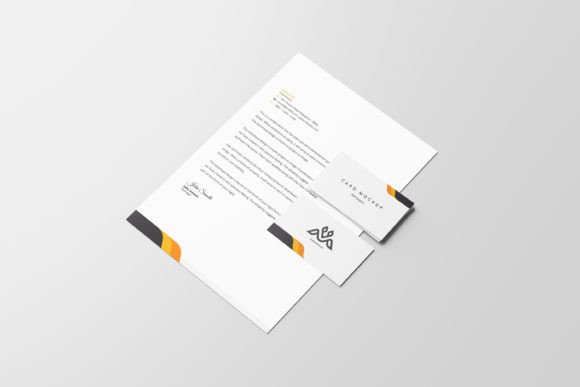
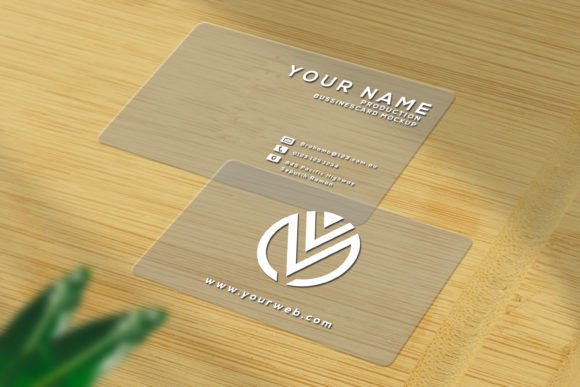
In an era where digital interactions often precede physical meetings, the first tangible impression a professional makes can define their entire trajectory. The humble business card has evolved from a simple exchange of contact details into a strategic tool for brand storytelling. For designers, entrepreneurs, and creative professionals, presenting a logo or a full brand identity requires more than just a flat image; it demands context. This is where a Luxury Business Cards Mockup becomes indispensable. It bridges the gap between a static design file and a realistic, high-stakes visual representation that resonates with clients and stakeholders alike.
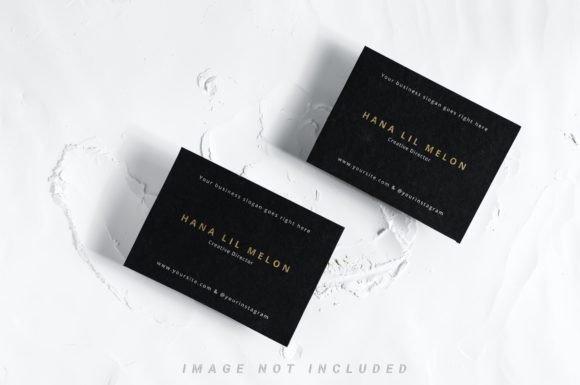
The shift toward high-quality visual assets is not merely aesthetic; it reflects a broader change in how we evaluate quality and trust. When a potential client sees a logo presented on a sleek, textured surface rather than a white background, they subconsciously perceive the brand as established and premium. A well-crafted mockup does the heavy lifting of setting this tone before a single word is spoken. It allows the viewer to visualize the product in the real world, transforming abstract concepts into concrete realities.
The Evolution of Visual Storytelling in Professional Workflows
Gone are the days when submitting a JPEG was sufficient for a final design review. Modern workflows demand dynamic, interactive, and highly realistic presentations. Professionals aged 20 to 50, who dominate the current market landscape, have grown up consuming content that prioritizes authenticity and detail. They expect to see how a design interacts with light, shadow, and texture. This expectation has driven the popularity of PSD-based tools that utilize advanced layering techniques.
A Luxury Business Cards Mockup represents the culmination of this evolution. It is no longer enough to simply say, "This is my logo." You must show it holding weight, having substance, and fitting perfectly within a specific environment. The transition from basic flat designs to sophisticated mockups mirrors the broader trend of personalized branding. As businesses compete for attention, the nuance of presentation becomes a key differentiator. Whether you are a freelancer pitching to a corporate client or a startup founder seeking investment, the medium through which your work is displayed carries significant weight.
This shift also aligns with the increasing reliance on remote collaboration. Designers often cannot meet face-to-face to hand over a physical sample. Instead, they rely on digital deliverables that mimic the tactile experience. By providing a clean, simple, and high-resolution representation, these mockups ensure that the intended message is received without distortion. They serve as a universal language, allowing a designer in one time zone to communicate the exact feel of a brand to a client in another.
Technical Precision Meets Creative Freedom
The utility of modern mockup tools lies in their balance between technical precision and ease of use. Consider the standard features found in a high-quality asset: a Photoshop PSD format, high resolution (such as 3000x2000 px), and the integration of Smart Objects. These are not just buzzwords; they are functional necessities for a seamless workflow.
- Smart Objects: This feature is the cornerstone of efficiency. It allows users to double-click a layer and instantly replace the placeholder design with their own artwork without altering the underlying shadows, lighting, or perspective. This ensures that every iteration of a design maintains its realism, saving hours of manual retouching.
- Resolution Standards: A dimension of 3000x2000 pixels provides ample detail for both web display and large-format printing. In a world where screens vary from mobile devices to 4K monitors, high pixel density ensures that the mockup looks crisp regardless of the viewing device.
- Clean Aesthetics: A "clean and simple" design philosophy prevents visual clutter. When the focus is on presenting a logo, the background should recede, allowing the typography and color palette of the brand to take center stage.
For creators, this means less time fighting with software and more time refining the creative concept. The technology handles the realism, while the human mind focuses on the strategy behind the design.
Meeting Market Expectations and Regulatory Standards
Beyond aesthetics, there is a growing emphasis on compliance and professionalism in design assets. As mentioned in recent discussions regarding asset creation, many creators are now ensuring their work adheres to applicable regulations and industry standards. This includes proper licensing, clear usage rights, and adherence to accessibility guidelines. When a designer states, "I have made this asset of mine to a nigh standard and in accordance with applicable regulations," they are signaling reliability.
For businesses, using compliant and high-standard assets reduces legal risk and enhances credibility. A mockup that is professionally constructed suggests that the creator cares about the integrity of their work. This attention to detail extends to the user experience. If a mockup is difficult to use, poorly organized, or low quality, it reflects poorly on the designer offering it. Conversely, a streamlined, easy-to-use tool demonstrates expertise and respect for the user's time.
This trend toward standardized, regulated assets is particularly relevant for educators, bloggers, and marketers who distribute resources online. They need to know that the tools they recommend or use are safe, legal, and effective. The assurance that an asset meets these criteria builds trust within the community. It transforms a simple download into a valuable resource that supports professional growth and ethical practice.
Practical Implications for Creators and Businesses
So, what does this mean for the everyday professional? The practical implications are far-reaching. For a marketer, a high-quality mockup can significantly increase click-through rates on social media campaigns. A luxury presentation of a new service or product stands out in a crowded feed, capturing attention in the split second required to scroll past.
For freelancers and agency owners, these tools are essential for portfolio building. A portfolio filled with flat images may look amateurish compared to one showcasing realistic scenarios. Clients want to see how a design will perform in the real world. By utilizing a Luxury Business Cards Mockup, a freelancer can demonstrate versatility, showing how their design adapts to different materials, finishes, and contexts.
Furthermore, the ease of use associated with Smart Objects democratizes high-end visualization. Even those with limited Photoshop skills can produce professional results. This levels the playing field, allowing small business owners and hobbyists to present their ideas with the same polish as large corporations. It empowers individuals to tell their stories with confidence, knowing that their visual assets support their narrative effectively.
Moving Forward: Quality, Community, and Continuous Improvement
The journey of creating and utilizing design assets is ongoing. As technology advances, so too do the expectations for what constitutes a "standard" asset. The feedback loop between creators and users is vital. When a user takes the time to rate a mockup or provide support, they contribute to the ecosystem of quality design resources. This interaction helps refine future versions, ensuring that tools remain relevant and useful.
As we look to the future, the role of the mockup will likely expand further. With the rise of augmented reality and virtual environments, the line between digital and physical will continue to blur. However, the core principle remains unchanged: the need for realistic, high-fidelity representations of our ideas. Whether it is a business card, a packaging design, or a website interface, the ability to visualize the end result is crucial.
For those looking to elevate their brand presence, investing time in learning how to use these tools is a wise decision. It is not just about making things look good; it is about communicating value, professionalism, and attention to detail. By embracing assets that are clean, simple, and technically robust, professionals can ensure their work speaks for itself. And in a competitive marketplace, that clarity of communication is often the difference between being overlooked and being chosen.
Ultimately, the goal is to create a seamless connection between the creator's vision and the audience's perception. A well-executed mockup facilitates this connection, turning a digital file into a compelling story. Whether you are a seasoned designer or a newcomer to the field, the right tools can make all the difference in how your work is received. So, when selecting your next asset, consider not just the visual appeal, but the functionality, the standards, and the impact it will have on your professional journey.