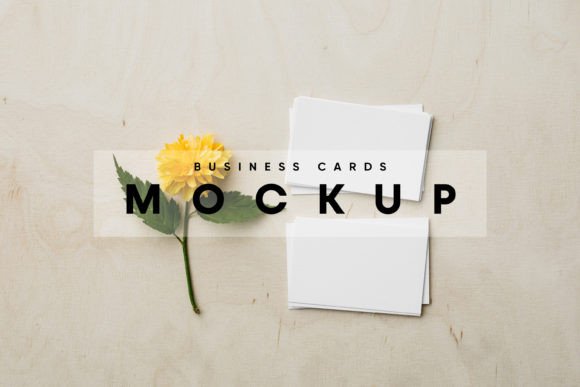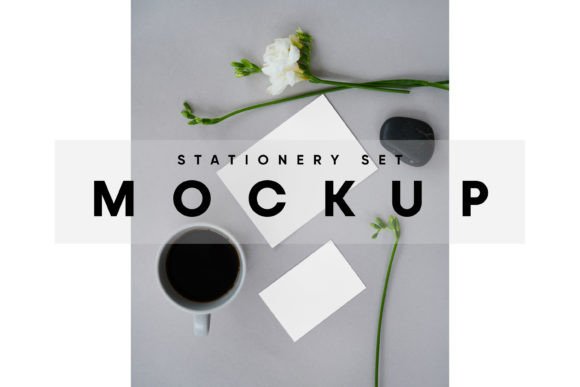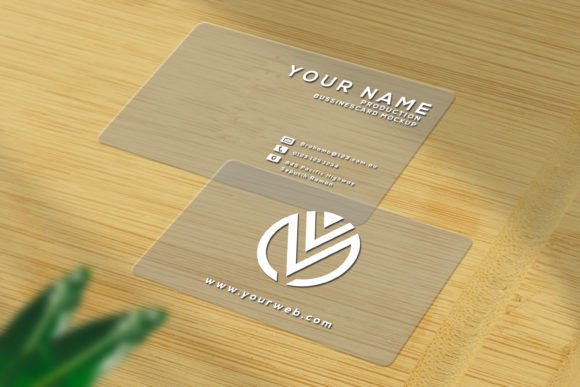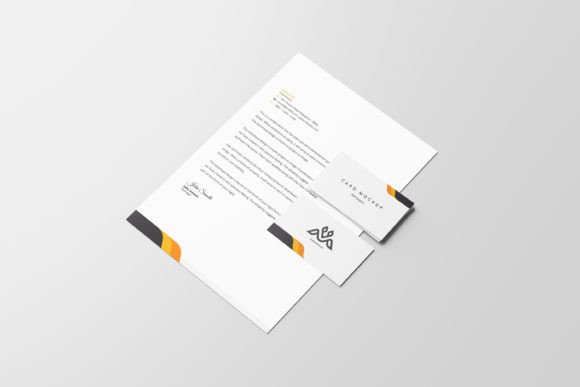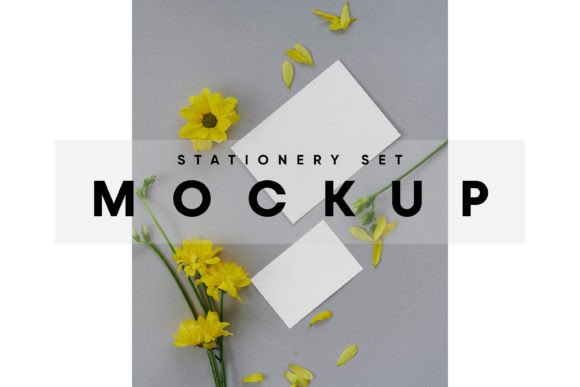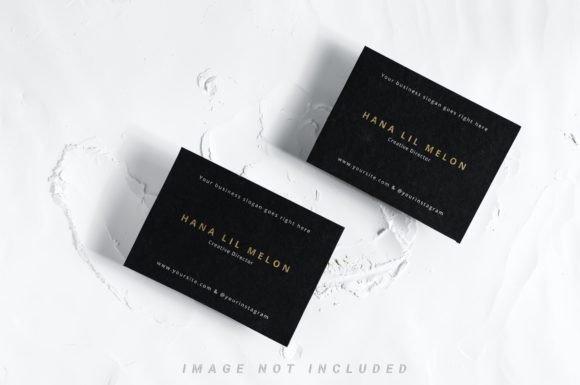
Mockup Blank Business Cards
In the fast-paced world of digital branding, the gap between a raw design file and a polished presentation can make or break a client's first impression. This is where Mockup Blank Business Cards become an indispensable tool for professionals who need to communicate value instantly. Whether you are a freelancer pitching a new logo, a marketing agency presenting a rebrand, or a small business owner preparing launch materials, the ability to visualize your work in a realistic context is no longer a luxury—it is a necessity.
The modern workflow demands speed without sacrificing quality. Designers often find themselves stuck in a loop of tweaking pixels, only to realize that the final output doesn't look right when placed in a real-world scenario. A flat image on a screen tells a story, but a mockup tells a narrative. By using a versatile set designed to showcase artwork across various media formats, creators can bridge the gap between abstract concepts and tangible reality. This approach aligns perfectly with current market preferences, where visual authenticity drives trust and engagement.
Elevating Brand Presentation Across Platforms
One of the most significant challenges for designers today is maintaining consistency while adapting content for different channels. You might have a stunning design ready for your portfolio, but does it translate effectively to an Instagram story? Does it hold up on a Facebook feed or within a corporate website layout? The answer often depends on how the design is framed. Using a comprehensive mockup set allows you to create custom image layouts tailored specifically for Instagram, Facebook, your business website, blog posts, postcards, and even invitations.
This versatility addresses a critical shift in user behavior. Audiences now expect seamless visual experiences regardless of the device they are using. When a potential client sees your brand designs presented as if they were already printed or displayed in a physical setting, it reduces cognitive load and increases perceived value. It transforms a simple graphic into a product. For instance, showing a business card design resting on a sleek desk or held in hand provides context that a standalone file cannot. This contextualization helps clients understand the scale, texture, and impact of the design before a single dollar is spent on production.
The Evolution of Digital Showcasing
The way we present creative work has evolved dramatically over the last decade. In the past, designers relied heavily on static screenshots or basic 2D renderings. Today, the standard has shifted toward photorealistic environments that mimic real-life conditions. This evolution reflects a broader trend in the creative industry: the demand for transparency and realism. Clients want to see exactly what they are buying. They do not want to imagine how a logo looks on a storefront; they want to see it.
Mockup Blank Business Cards fits seamlessly into this forward-looking landscape by offering a solution that is both practical and efficient. Instead of hiring photographers to stage every single project or spending hours creating complex 3D scenes from scratch, designers can utilize pre-built, high-quality templates. This shift allows creators to focus more on the core aspects of their craft—innovation, strategy, and aesthetics—rather than getting bogged down in the technicalities of scene setup. It represents a move towards smarter workflows where technology serves creativity rather than hindering it.
Streamlining Workflow with Smart Technology
Efficiency is the currency of the modern creative economy. The description of these mockups highlights a specific feature that sets them apart: the use of smart layers and smart objects within Photoshop. This technology is not just a convenience; it is a fundamental change in how designers interact with their files. The process is remarkably intuitive. Users simply paste their design into a smart object, save the file, and the system automatically applies the necessary perspective, lighting, and shadows.
This automation eliminates the tedious manual adjustments that used to consume hours of a designer's day. No more manually warping images, adjusting blending modes, or trying to match light sources. The Active Smart Object with Safety Zone feature takes this a step further by providing clear boundaries. These safety zones act as invisible guides, ensuring that your design elements remain within the designated area where they will be visible. If a layer is activated, the lines of the object that are excluded from the smart mask become visible, preventing accidental cropping or misalignment.
For professionals managing multiple projects simultaneously, this level of precision is invaluable. It reduces the margin for error and ensures that every deliverable meets professional standards. The fact that this is a photo-based mockup rather than a vector or 3D model adds a layer of authenticity that digital renderings sometimes struggle to achieve. Photos capture the subtle imperfections of real life—the grain of paper, the slight reflection on glass, the natural shadows cast by ambient light. These details contribute to a sense of trust and reliability in the final presentation.
Practical Implications for Creative Professionals
The implications of adopting such tools extend beyond mere time savings. When designers can produce high-fidelity presentations quickly, they can iterate faster. They can offer clients multiple variations of a concept without the fear of burning through billable hours. This flexibility fosters better collaboration and leads to higher satisfaction rates. Clients appreciate the ability to see "what-if" scenarios, which empowers them to make informed decisions based on visual evidence rather than abstract descriptions.
Furthermore, this approach supports the growing ecosystem of remote work and digital-first businesses. With teams often distributed globally, having a standardized, easy-to-use file structure ensures that everyone is on the same page. A single Photoshop file can serve as a central hub for website layouts, social media assets, and print-ready proofs. This consolidation simplifies the handoff process between designers, developers, and marketers, reducing friction and miscommunication.
Navigating Requirements and Best Practices
While these tools are designed to simplify the design process, it is important to acknowledge the prerequisites for optimal use. A minimum knowledge of Photoshop is required to navigate the smart layers and manage the file structure effectively. This requirement underscores the importance of continuous learning in the creative field. As technology evolves, so too must the skill sets of those who wield it. However, the learning curve is generally gentle, especially for those familiar with basic layer management and smart object functions.
It is also crucial to understand the limitations and specifications of the files provided. For example, the background or design color does not change dynamically; the mockup relies on the lighting and texture of the original photograph to convey depth. Additionally, any illustrations included in the files are strictly for product presentation and are not part of the downloadable archive. Being aware of these details prevents frustration and ensures that users get the most out of the product.
Ultimately, the goal is to empower creators to tell their stories with clarity and impact. Whether you are showcasing a personal brand, launching a startup, or refining a corporate identity, the presentation matters just as much as the design itself. By leveraging a versatile scene that adapts to various media formats, you ensure that your work stands out in a crowded digital marketplace. The combination of realistic photography, intelligent layering, and user-friendly interfaces creates a powerful environment for innovation.
As we look toward the future of design, the integration of such practical tools will likely become even more prevalent. The line between digital and physical continues to blur, and the ability to simulate that interaction seamlessly is a key competitive advantage. For anyone serious about their craft, investing time in mastering these mockup techniques is a strategic move that pays dividends in credibility, efficiency, and client success.
By choosing resources that prioritize ease of use and high fidelity, you are making a statement about your commitment to quality. It signals to your audience that you care about the details, that you understand the nuances of presentation, and that you are prepared to deliver excellence. In a world where attention spans are short and competition is fierce, the ability to present your work professionally and convincingly is one of the most valuable assets you can possess.