American Football Logo Helmet Vintage: Integrating Retro Design into Modern Workflows
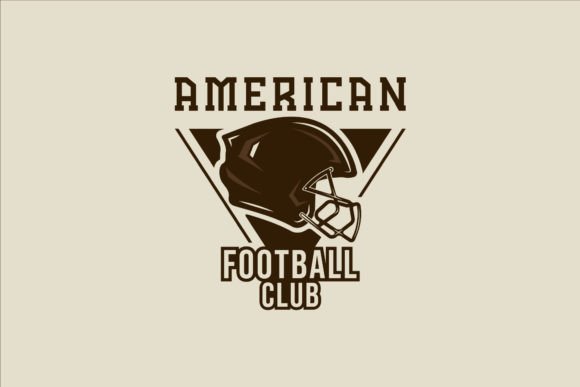
The American Football Logo Helmet Vintage collection represents more than just a set of nostalgic graphics; it serves as a versatile asset class for professionals, creators, and entrepreneurs who need to convey heritage, competition, and athletic excellence. In the current digital landscape, where branding must often bridge the gap between tradition and modernity, these vector illustrations provide a critical solution. Whether you are designing a tournament flyer, updating a club's merchandise line, or creating content for a sports blog, the integration of high-quality vintage helmet icons streamlines the creative process while ensuring visual consistency.
Understanding the utility of this design requires looking at the broader context of graphic production. The core value lies in the vector illustration template icon format. Unlike raster images that pixelate when scaled, these assets maintain crisp edges regardless of the output size. This characteristic is fundamental for workflows involving print media, such as business cards, advertising flyers, and large-format wall decals cut from vinyl. For small business owners and freelancers, the ability to scale a single asset from a tiny social media avatar to a massive stadium banner without losing quality is a significant efficiency gain.
Workflow Integration Across Creative Projects
Implementing the American Football Logo Helmet Vintage assets into a project workflow begins with preparation and file management. The download package typically includes multiple formats: SVG, PNG, JPG, PDF, and EPS. Each file type serves a specific stage in the design lifecycle. The SVG (Scalable Vector Graphics) file is the primary workhorse for vector-based software like Adobe Illustrator or Affinity Designer. It allows designers to manipulate individual paths, change colors to match brand guidelines, and adjust strokes without degrading the image quality. This is essential during the concept phase when experimenting with different color palettes for a league or team.
Once the design is finalized, the workflow shifts toward distribution and production. Here, the included PNG files with transparent backgrounds become indispensable. They allow for seamless layering over various background textures, such as grassy fields, stadium lighting effects, or solid corporate colors. The 300 dpi resolution ensures that the final output meets professional printing standards. When preparing materials for physical products like mugs, ornaments, or apparel, the high-resolution JPEG or TIFF variants ensure that the intricate details of the helmet mask and protective gear remain sharp.
For users working in environments that require rapid prototyping or non-vector editing tools, the JPG and PDF options offer immediate accessibility. These formats can be opened directly in web browsers or standard document viewers, making them ideal for quick client presentations or internal reviews before committing to expensive production runs. The inclusion of an EPS file specifically optimized for Adobe Illustrator 10 also ensures backward compatibility, allowing older systems or shared team members using legacy software to access and edit the core design elements.
Practical Applications in Business and Community Building
The versatility of the American Football Logo Helmet Vintage extends beyond simple decoration. It acts as a powerful symbol for clubs, leagues, and tournaments, instantly communicating the spirit of the game. For community organizers planning a local tournament, these graphics serve as the foundational element for all communication channels. By placing the isolated icon on invitations, scorecards, and registration forms, organizers create a cohesive visual identity that builds trust and excitement among participants.
Entrepreneurs in the sports niche can leverage these assets for e-commerce and marketing campaigns. Imagine a scenario where a retailer launches a new line of retro-style jerseys. Using the vintage helmet vector as a central motif on product packaging and online banners creates an immediate emotional connection with collectors and fans who appreciate classic aesthetics. The "retro" and "classic" descriptors associated with these designs tap into a sense of nostalgia, which is a proven driver of consumer engagement.
In educational settings, educators and bloggers can utilize these symbols to illustrate concepts related to safety, strategy, and history. A lesson plan on the evolution of football equipment could feature the detailed mask and protection elements of the vintage helmet to discuss advancements in athlete safety. Similarly, a blog post analyzing the tactics of a championship season could use the helmet icon as a bullet point or header image to break up text and maintain reader interest. The presence of semantic keywords like safety, protection, and champion within the design itself reinforces the narrative being told.
Technical Considerations and Quality Control
While the assets are designed for ease of use, successful implementation requires attention to technical details. One crucial factor is the handling of text. The documentation notes that the text within the design is non-editable. This means that if a user needs to customize the team name or year, they cannot simply click and type over the existing lettering. Instead, the workflow must involve masking the original text or tracing the outlines to create new typography that matches the vintage style. Understanding this limitation early prevents frustration and wasted time during the execution phase.
Compatibility is another key consideration. While the SVG and EPS files offer maximum flexibility, they require vector-capable software. Users relying solely on basic image editors may find themselves limited to resizing and cropping rather than recoloring or restructuring the design. Therefore, it is advisable to invest in learning the basics of vector manipulation or to collaborate with a designer who has access to tools like Adobe Illustrator. This ensures that the full potential of the graphic design asset is realized.
Quality control during the production phase involves checking the isolation of the graphics. Since the designs are provided as isolated elements, they should sit cleanly against any background without unwanted white boxes or halos. Before sending a design to print, always preview the file at 100% zoom to inspect the lines of the helmet and the texture of the ball or grass elements. For vinyl cutting projects, ensure that the path data is closed and clean to prevent the cutting machine from skipping lines or misinterpreting complex curves.
Strategic Use in Marketing and Brand Identity
The strategic deployment of the American Football Logo Helmet Vintage can significantly enhance brand recognition. In a crowded market, a distinct logo helps a team or organization stand out. By combining the vintage helmet with strong typography and a consistent color scheme, businesses can create a memorable visual identity. This is particularly effective for advertising flyers and business cards, where space is limited, and every pixel counts. A well-placed, high-contrast icon can communicate the essence of the brand in a fraction of a second.
Furthermore, the adaptability of these assets supports cross-platform marketing strategies. The same vector file can be used to create a favicon for a website, a profile picture for social media, and a large banner for a physical event booth. This consistency across touchpoints reinforces brand recall. For marketers, the ability to quickly generate variations of the logo—such as a monochrome version for faxes or a simplified version for mobile screens—is a direct result of starting with a robust vector source.
The concept of "competition" and "match" inherent in the design also lends itself well to gamification and interactive campaigns. A fitness app might use the helmet icon to represent a challenge level, while a fantasy sports league could use it as an achievement badge. The underlying themes of training, professionalism, and athletic performance resonate with a wide audience, making the asset relevant not just for hardcore fans but for anyone interested in personal improvement and discipline.
Maximizing Long-Term Value
To truly maximize the value of the American Football Logo Helmet Vintage assets, organizations should treat them as part of a long-term brand library. Rather than using them for a single campaign, integrate them into the core identity of the club or business. This approach reduces the need for constant redesigns and ensures that future projects benefit from established visual equity. Regular audits of how the logo is used across different mediums can help maintain consistency and identify opportunities for expansion.
Additionally, the open nature of the file formats encourages collaboration. Teams can share the SVG or EPS files among members, allowing everyone to contribute to the design evolution. This collaborative workflow fosters creativity and ensures that the final product reflects the collective vision of the group. Whether it is a small local youth league or a large professional organization, the ability to easily modify and distribute these assets facilitates smoother operations and better outcomes.
In conclusion, the American Football Logo Helmet Vintage vector illustration is a multifaceted tool that bridges the gap between aesthetic appeal and functional utility. Its compatibility with various software, combined with its rich thematic elements of protection, game, and stadium, makes it an invaluable resource for a diverse range of users. By understanding the technical nuances and integrating these assets thoughtfully into their workflows, professionals can produce high-quality, impactful designs that honor the legacy of the sport while meeting modern demands.